
Side-by-Side eMTB Comparisons
Compare Electric Mountain Bikes the Smart Way
Choosing an electric mountain bike isn’t about chasing the biggest motor or the highest battery number. It’s about finding the right balance between price, performance, and trail capability — and that’s where side-by-side eMTB comparisons make the biggest difference.
This page helps you decide between EcoE, ,Jasion, Lectric, Ecotric, ANCHEER, TST, ESKUTE, Funhang, etc. So, let’s compare Amazon-available electric mountain bikes side by side–
Instead of throwing dozens of specs at you, we help you quickly understand which type of eMTB fits your needs — and where to go next once you’ve narrowed your choice.
👉 If you’re ready to see our top overall picks, jump straight to our
Best Mountain eBikes guide (updated regularly with the best Amazon-available models):
Quick eMTB Comparison: Choose Your Starting Point
Not every rider compares bikes the same way. Some start with price. Others care more about trail performance or ride comfort.
To make things easier, we group our side-by-side eMTB comparisons into three practical comparison paths.
Below is a quick electric mountain bike comparison table that helps you jump directly to the comparison type that matters most to you.
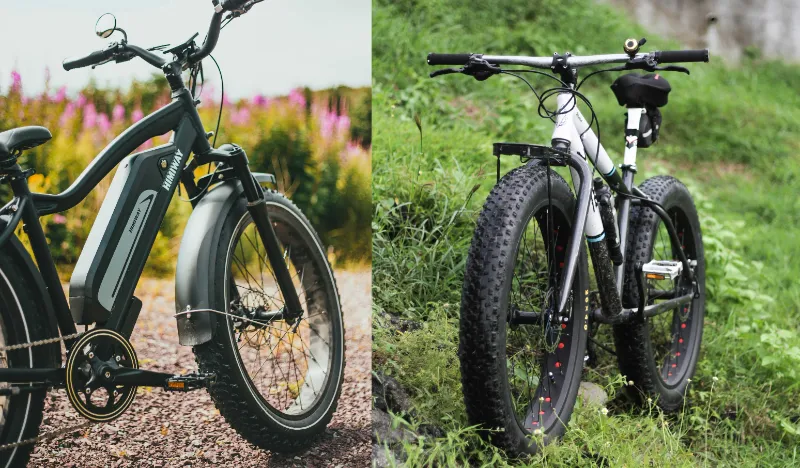
Brands like ANCHEER, Jasion, EOEOTWO
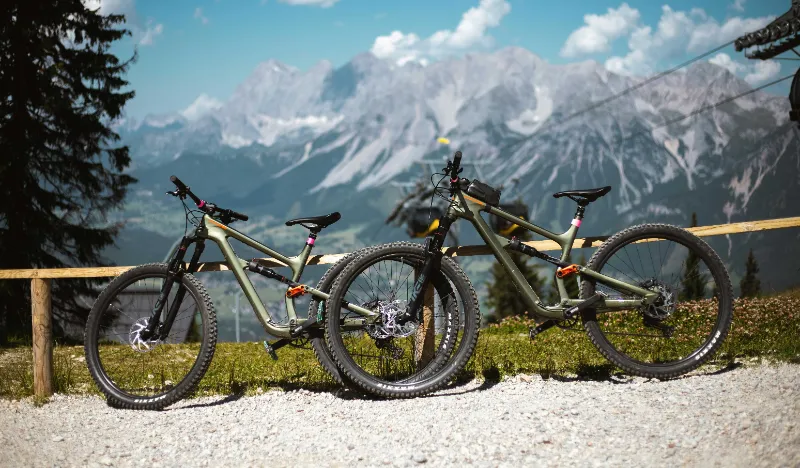
Brands such as Funhang, TST, and ESKUTE
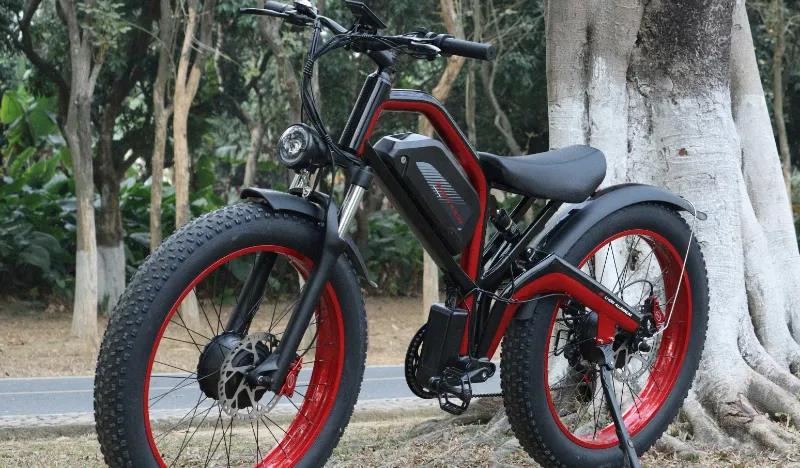
How to Use This Page?
- Pick the comparison style that matches your priority
- Learn what separates bikes in that category
- Narrow your options
- Move to the Best Mountain eBike page to choose a specific model
This avoids guessing — and helps you buy smarter.
Price-Based eMTB Comparisons
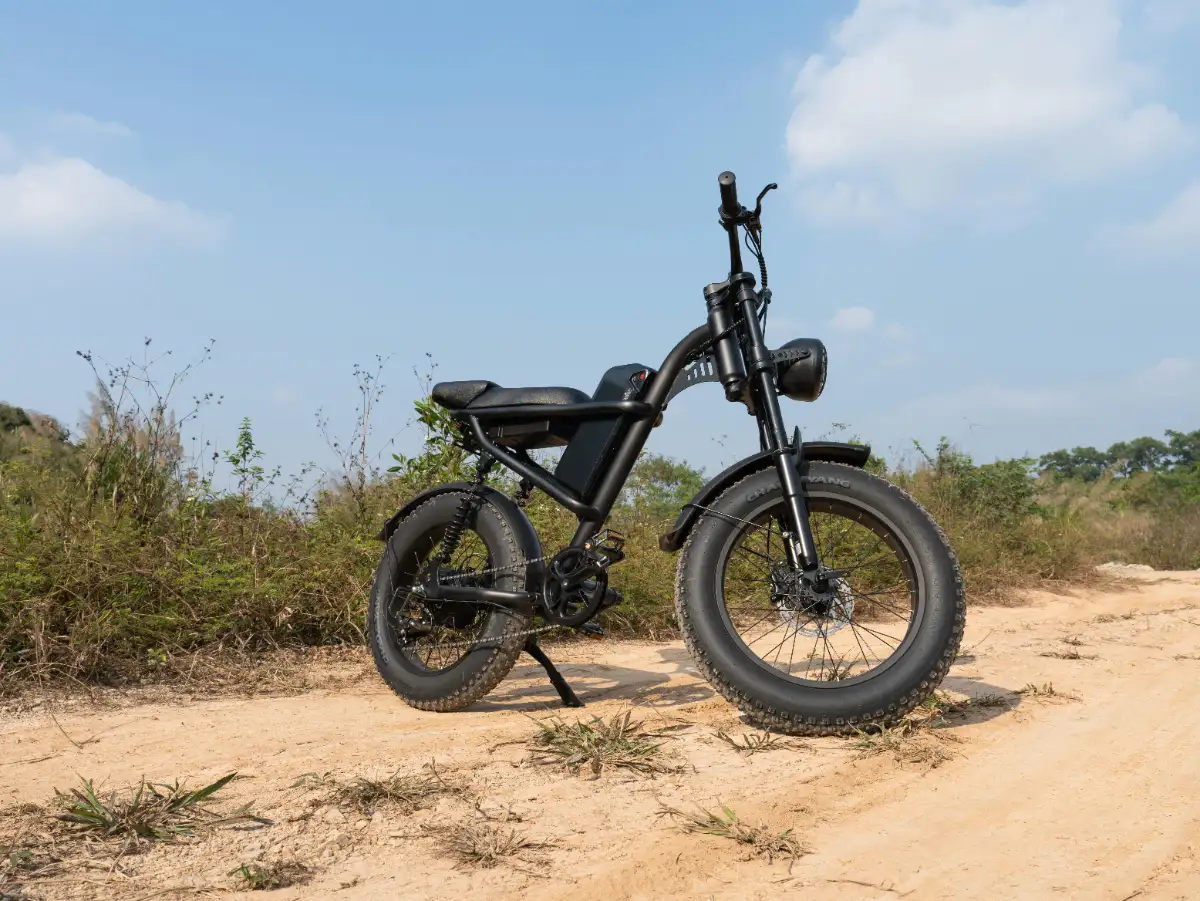
Low to High: What Changes as You Spend More
Price is often the first filter when comparing electric mountain bikes — and for good reason. Amazon-available eMTBs cover a wide range, from entry-level trail bikes to more capable, better-equipped options.
But higher price doesn’t automatically mean better for your riding.
What Lower-Priced eMTBs Usually Offer
- Simpler motor systems
- basic suspension setups
- heavier frames
- fewer component upgrades
These bikes are often a good fit for:
- beginners
- casual trail riding
- riders upgrading from a regular bike
- shorter or flatter routes
What Mid-Priced eMTBs Improve
As price increases, you’ll usually see improvements in:
- motor responsiveness and smoothness
- braking performance
- drivetrain durability
- frame stability on uneven terrain
These models tend to suit:
- regular trail riders
- longer rides
- mixed terrain with moderate climbs
What High-End eMTBs Deliver
As price moves into the higher tier, electric mountain bikes begin to feel fundamentally different — not just slightly improved.
In this category, you’re typically paying for:
- Stronger and more refined motor systems
- Larger battery capacity for extended range
- Higher torque output for steep climbs
- Improved suspension performance
- Stronger braking systems designed for heavier builds
- More durable drivetrain components
These models tend to suit:
- Riders prioritizing power and climbing strength
- Long-distance trail riders
- Riders seeking better downhill stability
- Buyers upgrading from entry-level or mid-range models
What Changes at the High-End Level
Motor Power & Torque
High-end electric mountain bikes typically feature:
- More powerful mid-drive systems
- Higher torque ratings (often 80Nm+ equivalent)
- Smoother pedal-assist transitions under load
- Better traction control on steep terrain
This becomes noticeable when:
- Climbing longer inclines
- Riding loose gravel or rocky trails
- Maintaining consistent assist at low cadence
Battery Capacity & Real-World Range
Premium models often include:
- Larger battery systems (higher Wh capacity)
- Improved efficiency at moderate assist levels
- Better range consistency across terrain types
For riders planning longer trail sessions, larger batteries significantly reduce range anxiety.
Suspension & Stability
Higher-tier eMTBs tend to improve:
- Fork quality and damping
- Frame stiffness under torque
- Stability at higher speeds
- Overall control on uneven terrain
These bikes are often better suited for:
- Aggressive trail riding
- Heavier riders
- Riders who frequently tackle mixed or technical terrain
The Key Price Comparison Insight
When comparing eMTBs by price, the real question isn’t:
“Which bike is cheapest?”
It’s:
“Which bike gives me the most confidence and reliability for how I ride?”
Once you understand that, price-based comparisons become much clearer — and help prevent over- or under-buying.
Internal Guidance
If you already know your ideal price range and want to see the best overall options available right now, our main comparison table breaks that down clearly:
Quality & Capability eMTB Comparisons
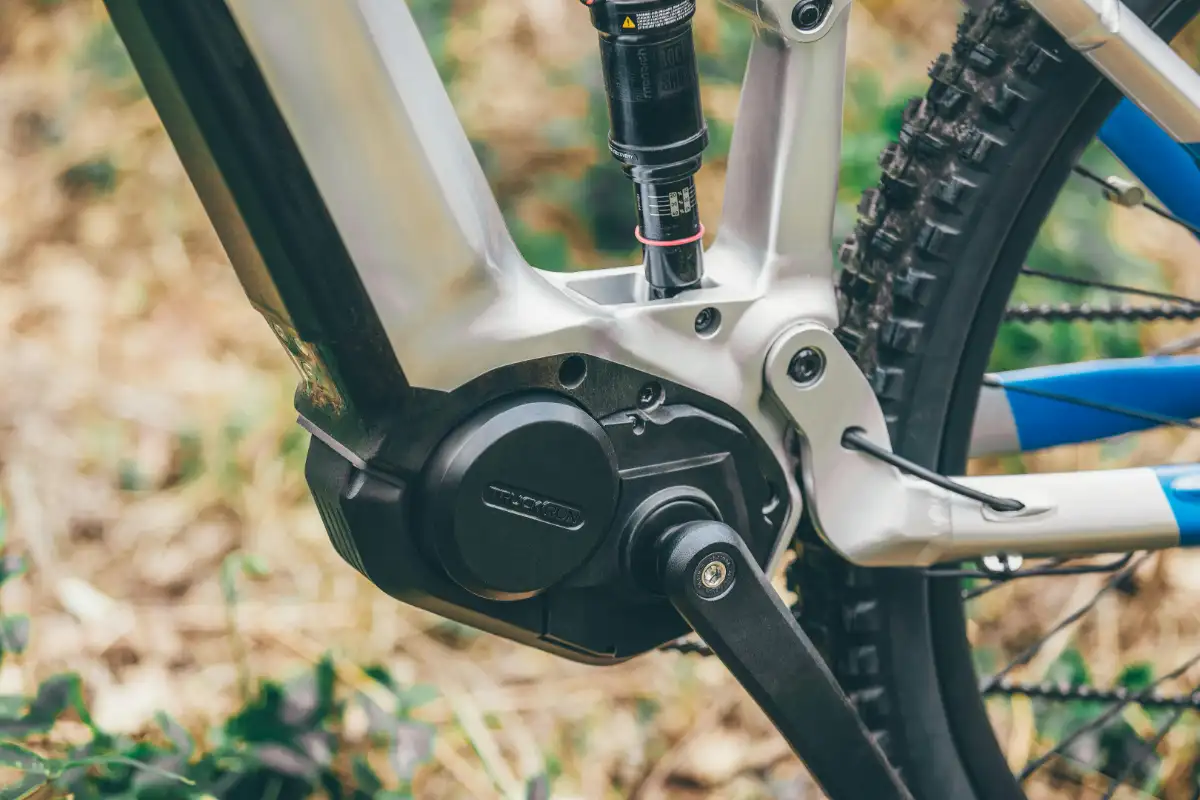
Comparing Motor Strength, Components & Trail Reliability
Once price is filtered, the next serious comparison is capability. Two electric mountain bikes can cost a similar amount but deliver completely different trail experiences.
This is where side-by-side eMTB comparisons become critical.
Instead of looking only at motor wattage or torque numbers, compare:
- Motor responsiveness under load
- Climbing consistency on steep terrain
- Brake performance under eMTB weight
- Drivetrain durability
- Frame stiffness and stability
Motor Quality: Not All 500W Systems Feel the Same
Many Amazon-available electric mountain bikes advertise similar motor power. But performance differences appear when:
- Climbing loose or rocky sections
- Starting from a steep incline
- Maintaining traction in low cadence
Components Matter More on eMTBs
Electric mountain bikes are heavier than traditional MTBs. That added weight increases stress on:
- Brakes
- Drivetrain components
- Wheels
- Suspension forks
In quality-based comparisons, pay attention to:
- Hydraulic vs mechanical disc brakes
- Shimano vs entry-tier drivetrains
- Fork travel and damping quality
- Tire width and tread design
A slightly higher-priced eMTB often feels dramatically more stable simply because braking and shifting are more consistent.
Capability Comparison Insight
If you ride:
- steeper trails
- longer distances
- mixed terrain
- or regularly push your bike harder
Then capability-based comparisons matter more than price alone.
For a curated breakdown of the strongest overall performers available online, explore our main guide:
RIDING COMFORT & TRAIL FEEL COMPARISONS
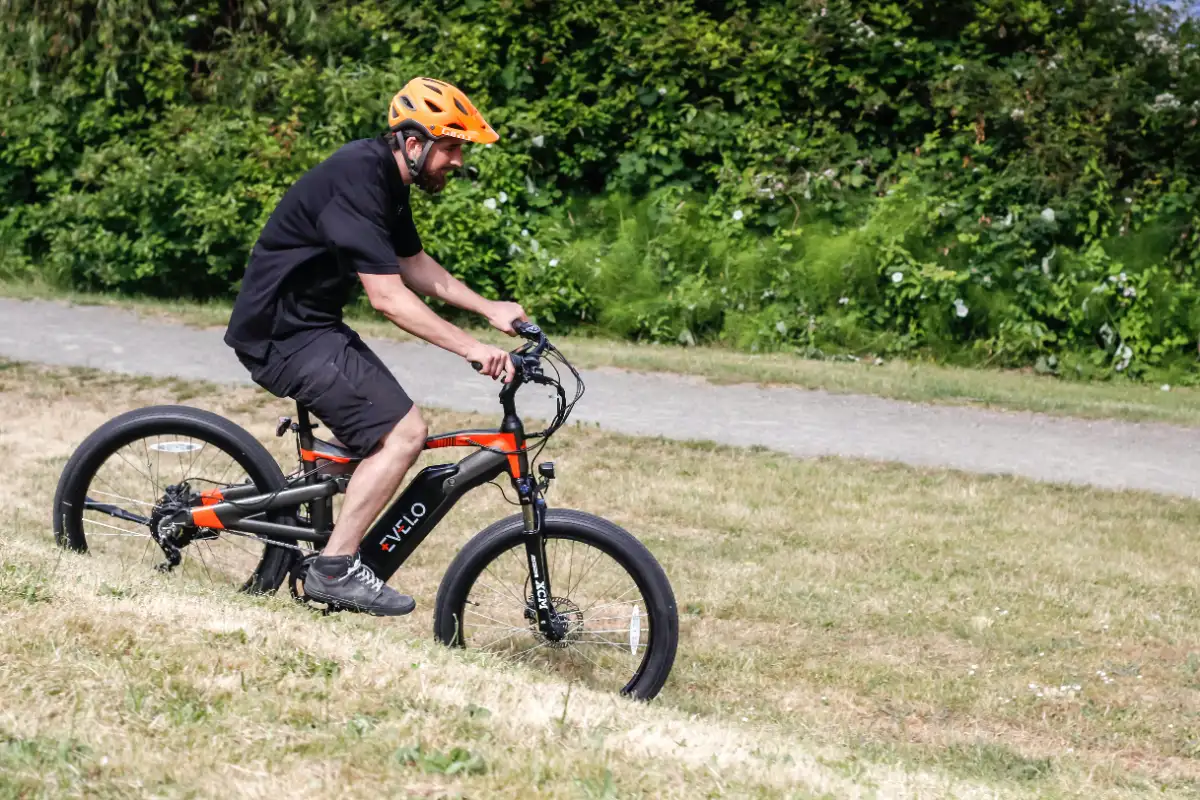
How Electric Mountain Bikes Actually Feel on the Trail
Specs don’t tell you how a bike feels. Comfort and handling are where side-by-side electric mountain bike comparisons reveal the biggest differences.
Two bikes can share similar power numbers — but one may feel stable and confidence-inspiring, while the other feels heavy or unstable.
Suspension Setup & Travel
In comfort-based comparisons, evaluate:
- Front suspension travel
- Whether the fork absorbs small trail chatter
- Frame stiffness over rough terrain
- Stability at moderate speed
Most Amazon-available eMTBs in your brand set focus on hardtail setups, meaning front suspension only. That makes fork quality especially important.
A properly tuned front fork can significantly improve trail comfort — especially on longer rides.
Geometry & Weight Balance
Electric mountain bikes vary in weight distribution depending on:
- Battery placement
- Motor location
- Frame design
When comparing models from ANCHEER, Jasion, EOEOTWO, and others, balance can feel very different even at similar weights.
Look for:
- Stable front-end feel when climbing
- Predictable steering in tight turns
- Confidence on mild descents
Lightweight-feeling bikes are easier to maneuver. More planted-feeling bikes offer better downhill stability.
Comfort Comparison Insight
If you:
- Ride longer sessions
- Prefer smoother trail control
- Value predictability over raw speed
Then comfort-based comparisons should guide your choice.
Once you identify your preferred feel, you can move to our main comparison table to see which models best match that riding style.
MOTOR TYPE COMPARISON
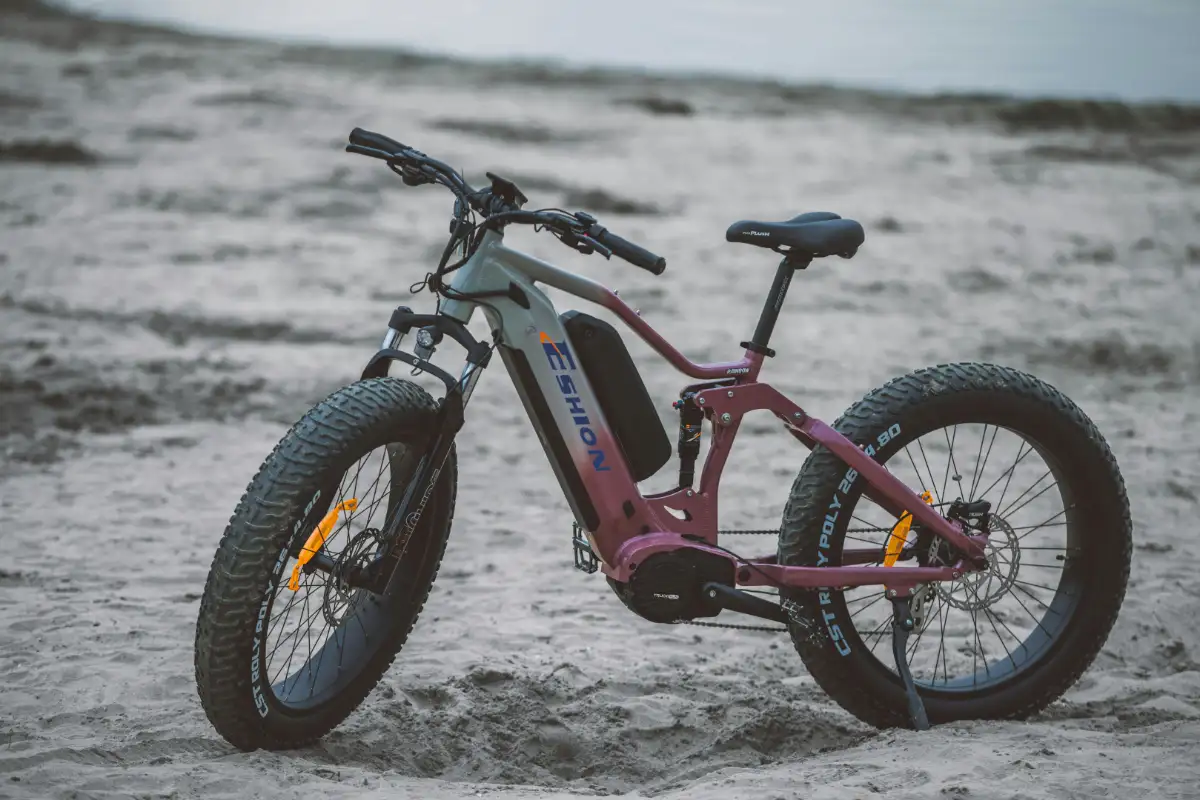
Hub-Drive vs Mid-Drive eMTB Comparison
Which Motor Layout Makes More Sense?
One of the most common electric mountain bike comparisons involves motor type.
Amazon-available eMTBs often include:
- Rear hub-drive systems
- Entry-to-mid-level mid-drive systems
Understanding the difference helps narrow your options quickly.
Hub-Drive eMTBs
Hub-drive motors are mounted in the rear wheel.
They typically:
- Offer strong, simple pedal assist
- Require less drivetrain integration
- Are more common in entry-level price tiers
Best suited for:
- Casual trail riding
- Light off-road use
- Riders upgrading from standard bikes
Brands like ANCHEER and Jasion frequently use hub-drive configurations in lower-priced models.
Mid-Drive eMTBs
Mid-drive motors sit at the crank.
They:
- Distribute weight more centrally
- Deliver power through the drivetrain
- Provide more natural climbing feel
Often found in:
- Higher-capability models
- Riders who tackle steeper terrain
- Those wanting better weight balance
Comparisons involving mid-drive systems usually highlight smoother power transfer and better traction control.
Motor Type Comparison Insight
If your riding includes:
- Steeper climbs
- Technical sections
- More frequent trail use
Mid-drive comparisons deserve extra attention.
If your focus is:
- Value
- Simpler maintenance
- Casual terrain
Hub-drive models may be more than enough.
Entry-Level eMTB Brand Comparison
ANCHEER vs Jasion vs EOEOTWO
When comparing entry-level electric mountain bikes, the goal isn’t maximum power or aggressive trail performance. It’s finding a reliable, affordable eMTB that matches beginner or casual riding needs.
Brands like ANCHEER, Jasion, and EOEOTWO dominate this price tier on Amazon — but they don’t feel identical on the trail.
Let’s break down what separates them.
Motor & Power Delivery
Most entry-level electric mountain bikes in this category use rear hub-drive motors.
What this means:
- Strong, simple pedal assist
- Straightforward setup
- Less drivetrain integration
- More budget-friendly motor systems
Where They Differ:
- ANCHEER models often focus on smooth, steady assist for casual riding.
- Jasion bikes tend to emphasize slightly stronger acceleration feel.
- EOEOTWO often competes on torque feel and battery pairing.
In real-world riding, these differences show up when:
- Starting from a stop on mild hills
- Climbing short inclines
- Riding mixed gravel and paved trails
None of these bikes are built for aggressive technical climbs — but all perform well for entry-level use.
Battery & Range Expectations
In the entry-level tier, battery sizes are usually moderate rather than large-capacity systems.
When comparing ANCHEER vs Jasion vs EOEOTWO:
- Expect range suited for shorter rides
- Moderate assist efficiency
- Practical commuting and light trail sessions
For riders doing:
- 10–25 mile rides
- Mostly flat to rolling terrain
- Casual weekend use
These batteries are typically sufficient.
If your rides are longer or steeper, this is where mid-range comparisons start making more sense.
Suspension & Frame Feel
Most entry-level eMTBs from these brands use:
- Front suspension forks
- Hardtail frame setups
- Aluminum builds
Because these bikes are heavier than standard MTBs, suspension quality matters more than expected.
On-Trail Feel:
- ANCHEER often feels stable and predictable.
- Jasion models may feel slightly lighter in steering response.
- EOEOTWO builds sometimes emphasize comfort over agility.
These bikes are best suited for:
- Light trail use
- Gravel paths
- Park riding
- Urban-to-trail crossover riding
They are not designed for aggressive downhill or rocky terrain.
Braking & Component Comparison
Entry-level eMTBs usually include:
- Mechanical or basic hydraulic disc brakes
- Entry-tier drivetrains
- Standard wheelsets
This doesn’t mean they’re unreliable — but it does mean:
- Braking under steep descents may feel less powerful than mid-tier models
- Drivetrain longevity may vary with aggressive use
For beginner riders, this level of component quality is often more than adequate.
Who Should Choose Entry-Level Brands?
Choose ANCHEER, Jasion, or EOEOTWO if you:
- Are buying your first electric mountain bike
- Ride mostly flat or moderately rolling terrain
- Want affordable access to pedal-assist trail riding
- Don’t need high torque for steep climbs
- Value simplicity over advanced features
Entry-Level Comparison Insight
When comparing entry-level electric mountain bikes, the real question isn’t:
“Which one has the biggest motor?”
It’s:
“Which one matches how I actually ride?”
If your riding is casual, predictable, and moderate, these brands offer excellent value.
If you find yourself wanting:
- More climbing strength
- Better braking confidence
- Longer range
Then it may be time to explore mid-range trail eMTBs — which we break down in the next section.
Next Step
If you’ve narrowed your choice to an entry-level electric mountain bike and want to see which models rank highest overall:
Mid-Range eMTB Brand Comparison
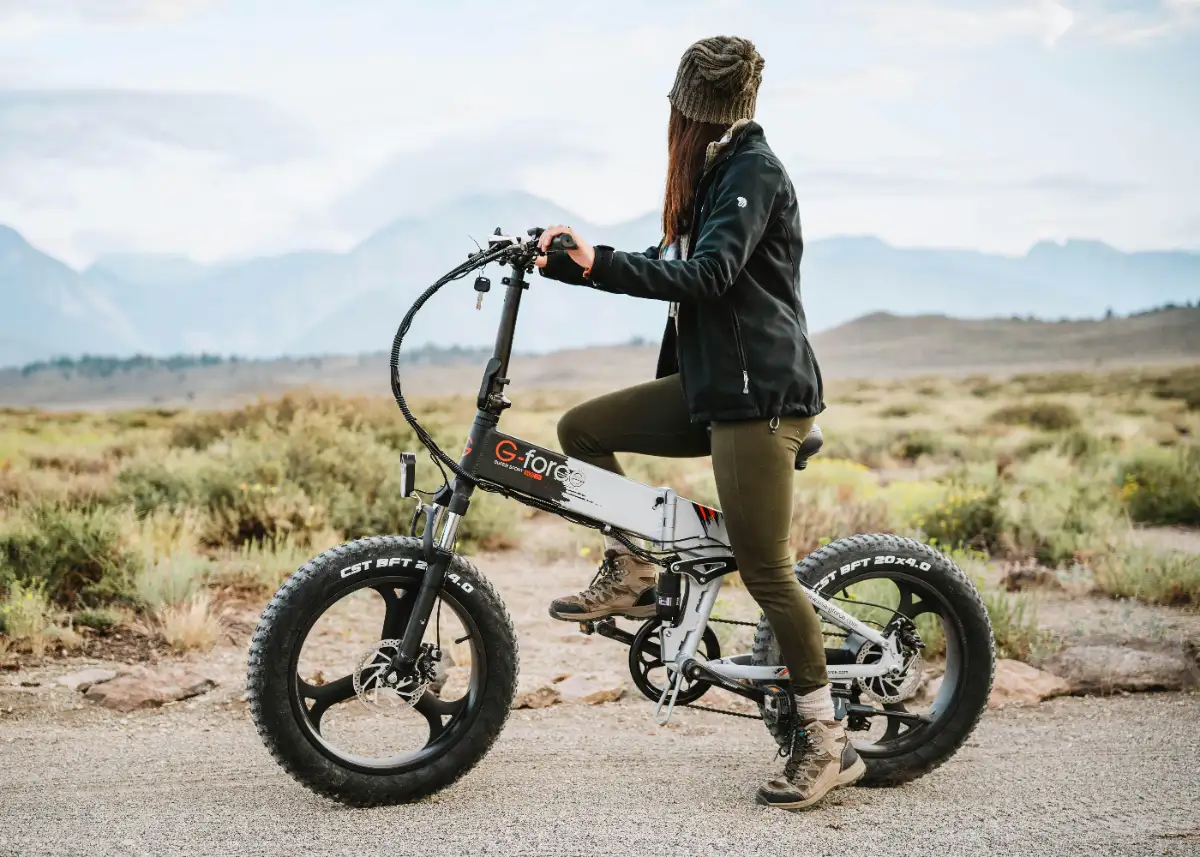
Funhang vs TST vs ESKUTE
Mid-range electric mountain bikes represent the balance point between affordability and serious trail capability.
When riders move beyond entry-level brands like ANCHEER or Jasion, they typically want:
- Stronger motor response
- Better braking control
- More reliable drivetrain components
- Improved trail stability
Brands such as Funhang, TST, and ESKUTE compete in this space — and this is where differences start to matter more.
Motor Performance & Responsiveness
In mid-range eMTB comparisons, motor refinement becomes more noticeable.
While some models still use hub-drive systems, others introduce:
- Higher torque output
- Smoother pedal-assist transitions
- Better power consistency under load
On the Trail:
- Funhang models often emphasize smoother acceleration and controlled assist.
- TST builds may feel slightly stronger in low-speed torque delivery.
- ESKUTE models sometimes prioritize steady, balanced power output.
These differences appear when:
- Climbing longer hills
- Starting on inclines
- Maintaining assist on loose gravel
Mid-range bikes tend to feel less “jerky” and more controlled compared to entry-tier options.
Battery Capacity & Ride Distance
Battery improvements are one of the biggest upgrades in this tier.
Compared to entry-level electric mountain bikes, mid-range models often include:
- Higher-capacity batteries
- More efficient assist modes
- Better real-world range consistency
For riders planning:
- 20–40 mile sessions
- Moderate climbs
- Mixed terrain rides
Mid-range batteries provide noticeably more confidence.
Range anxiety decreases, especially when using moderate assist levels.
Braking & Drivetrain Upgrades
This is where mid-range eMTB comparisons truly separate brands.
Brakes
Mid-tier bikes more commonly feature:
- Hydraulic disc brakes
- Larger rotors
- Better modulation under load
This becomes important because electric mountain bikes are heavier than traditional MTBs.
On steeper terrain, brake performance dramatically impacts confidence.
Drivetrain
Mid-range models often upgrade to:
- More reliable Shimano groupsets
- Smoother shifting systems
- Improved chain durability
Between Funhang, TST, and ESKUTE, drivetrain refinement can be a deciding factor if you ride frequently or push the bike harder.
Suspension & Trail Stability
Most bikes in this tier still use hardtail setups, but fork quality improves.
Compared to entry-level eMTBs:
- Forks absorb trail chatter more effectively
- Steering feels more stable
- Frame stiffness improves climbing control
Real-World Feel
- Funhang often feels stable and predictable on mixed terrain.
- TST models may feel slightly more aggressive in handling.
- ESKUTE bikes often lean toward comfort and balance.
These bikes are suitable for:
- Regular trail riders
- Mixed terrain routes
- Moderate downhill sections
- Riders upgrading from entry-level models
They are not extreme enduro bikes — but they handle real trail use much better.
Who Should Choose Mid-Range Brands?
Choose Funhang, TST, or ESKUTE if you:
- Ride trails regularly
- Want better climbing consistency
- Prefer hydraulic brakes
- Plan longer weekend rides
- Have outgrown entry-level performance
Mid-range electric mountain bikes offer the best balance between cost and trail confidence for many riders.
Mid-Range Comparison Insight
When comparing mid-range eMTBs, the real question isn’t:
“Which one has the highest watt rating?”
It’s:
“Which bike feels the most controlled and confidence-inspiring on the terrain I ride?”
This is the tier where ride feel, braking quality, and motor smoothness begin to matter more than price alone.
If your terrain includes steeper climbs or longer distances — and you want stronger performance — mid-range eMTBs often deliver the best value-to-capability ratio.
Next Step
If you’re deciding between mid-range and premium trail eMTBs, the next section breaks down how high-end electric mountain bikes compare in terms of torque, suspension, and long-distance capability.
Or, if you’re ready to see which models rank highest overall across all tiers:
High-End Electric Mountain Bike Comparison
Himiway vs Ecotric vs Cyrusher
High-end electric mountain bikes on Amazon are not boutique $8,000 race machines — but they represent the strongest performance tier available in your affiliate ecosystem.
When comparing brands like Himiway, Ecotric, and Cyrusher, the focus shifts from affordability to:
- Higher torque motors
- Larger battery capacity
- Improved braking systems
- Stronger frame builds
- More aggressive trail capability
This is where electric mountain bike comparisons begin to feel fundamentally different from entry and mid-range models.
Motor Strength & Climbing Power
High-end eMTBs in this category typically offer:
- Higher torque output
- Stronger hill-climbing support
- More refined power transitions
- Better traction control under load
Real-World Difference
Compared to mid-range models:
- Acceleration feels stronger on steep climbs
- Assist remains consistent at low cadence
- Climbing technical terrain requires less rider strain
- Himiway models often emphasize torque and long-range capability.
- Cyrusher bikes frequently lean toward aggressive power delivery and fat-tire stability.
- Ecotric builds often balance motor strength with frame durability.
For riders tackling steeper trails or heavier terrain, this added power makes a noticeable difference.
Battery Capacity & Long-Distance Confidence
Premium-tier eMTBs often include:
- Larger Wh battery systems
- Improved efficiency in mid-assist modes
- Better sustained range over mixed terrain
For riders who:
- Ride 30+ miles regularly
- Climb extended hills
- Spend long days exploring
High-end electric mountain bikes reduce range anxiety significantly.
You’re not just buying power — you’re buying endurance.
Suspension & Stability on Demanding Terrain
High-end builds often improve:
- Fork quality and damping control
- Frame stiffness under torque stress
- Stability at moderate-to-higher speeds
- Overall planted feel on descents
Fat-tire models from brands like Cyrusher and Himiway can provide additional traction and comfort, especially on loose terrain.
Compared to entry-level bikes:
- Steering feels more controlled
- Braking feels stronger under load
- Downhill sections feel more stable
These improvements are especially noticeable for:
- Heavier riders
- Riders carrying gear
- Riders who frequently ride uneven or rocky trails
Braking & Component Durability
Premium-tier models often upgrade:
- Hydraulic braking systems
- Larger brake rotors
- More durable drivetrain setups
- Stronger wheel assemblies
Because electric mountain bikes are heavier than traditional MTBs, braking strength becomes increasingly important as performance increases.
High-end comparisons often reveal the most noticeable difference in stopping confidence.
Who Should Choose High-End Brands?
Choose Himiway, Ecotric, or Cyrusher if you:
- Regularly ride steep or mixed terrain
- Need stronger climbing support
- Want longer real-world range
- Prioritize stability and power
- Are upgrading from entry or mid-tier models
High-end electric mountain bikes are best suited for riders who will actually use the added capability.
High-End Comparison Insight
When comparing premium electric mountain bikes, the real question isn’t:
“Is this bike more powerful?”
It’s:
“Will I consistently ride terrain that justifies this extra capability?”
If your riding demands more torque, more range, and more stability — high-end eMTBs deliver real benefits.
If your terrain is moderate and your rides are shorter, a well-equipped mid-range model may offer better value.
Final Thoughts on Side-by-Side eMTB Comparisons
Electric mountain bikes vary far more than their spec sheets suggest.
This guide makes it easier to compare electric mountain bikes by providing a structured electric mountain bike comparison across price, performance, and trail capability.
By comparing eMTBs:
- By price tier
- By motor type
- By ride comfort
- By capability
- And by brand-level differences
You eliminate guesswork.
The goal isn’t to buy the most powerful bike.
It’s to buy the bike that matches your terrain, riding style, and expectations.
The goal isn’t to buy the most powerful bike.
It’s to buy the bike that matches your terrain, riding style, and expectations.
If you’re ready to see which specific models stand out across all categories, our full comparison table breaks everything down clearly:
This ensures you’re comparing the right bikes — not just the loudest marketing claims.
Frequently Asked Questions
What is the best way to compare electric mountain bikes?
The best way to compare electric mountain bikes is by looking at real-world factors like motor behavior, torque delivery, battery capacity, braking performance, and ride stability — not just advertised wattage.
Start by narrowing bikes into price tiers, then compare motor type, components, and intended terrain use.
Is a higher torque eMTB always better?
Not necessarily. Higher torque is helpful for steep climbs and heavier riders, but for flat or moderate terrain, mid-range torque systems are often sufficient.
The best eMTB is the one that matches your riding conditions.
Are hub-drive eMTBs worse than mid-drive?
Hub-drive eMTBs are not worse — they are simply suited to different use cases.Hub-drive systems are common in entry-level models and work well for casual riding.
Mid-drive systems distribute weight more centrally and typically perform better on steep or technical terrain.
How much should I spend on an electric mountain bike?
That depends on how and where you ride.
- Entry-level: good for casual or light trail use
- Mid-range: best balance for regular trail riders
- High-end: ideal for steep terrain, longer rides, and higher performance demands
Spending more only makes sense if your riding justifies the added capability.
Which electric mountain bike brands are most popular on Amazon?
Brands such as ANCHEER, Jasion, Funhang, TST, ESKUTE, Himiway, Ecotric, and Cyrusher are commonly found on Amazon and represent various price and performance tiers.
Comparing them side by side helps identify which tier matches your needs.
What’s the difference between entry-level and high-end electric mountain bikes?
- The main difference between entry-level and high-end electric mountain bikes comes down to motor performance, battery capacity, component quality, and trail capability.
- Entry-level eMTBs typically use hub-drive motors, moderate battery sizes, and basic suspension setups. They’re best suited for beginners, casual trail riding, and flatter terrain.
- High-end electric mountain bikes, on the other hand, often feature stronger mid-drive motors, higher torque output, larger batteries for extended range, upgraded hydraulic brakes, and more durable drivetrains. These bikes are better suited for steep climbs, longer rides, and more demanding trail conditions.
- In short, entry-level models focus on affordability and accessibility, while high-end eMTBs prioritize power, stability, and performance on challenging terrain.