
How Electric Mountain Bikes Perform on Trails (Motor, Battery & Suspension Explained)
Electric mountain bikes have changed trail riding. But performance is not just about speed. It is about power delivery, control, range, stability, and long-term durability.
This post contains affiliate links. As an Amazon Associate I earn from qualifying purchases.
Our Electric Mountain Bike Testing Approach
At The Bike Year, we evaluate electric mountain bikes across mixed terrain, steep climbs, and extended trail sessions.
We analyze torque delivery under load, battery efficiency during elevation gain, suspension responsiveness, and long-term durability under repeated impact.
Our performance analysis focuses on real-world ride conditions rather than manufacturer specifications alone.
At The Bike Year, we also analyze electric mountain bike performance across steep climbs, mixed-terrain trails, and extended ride conditions to evaluate torque delivery, battery efficiency, suspension response, and long-term durability.
This guide explains exactly how electric mountain bikes perform on real trails. We break down:
If you are researching electric mountain bikes for trails, this page gives you everything competitors leave out.
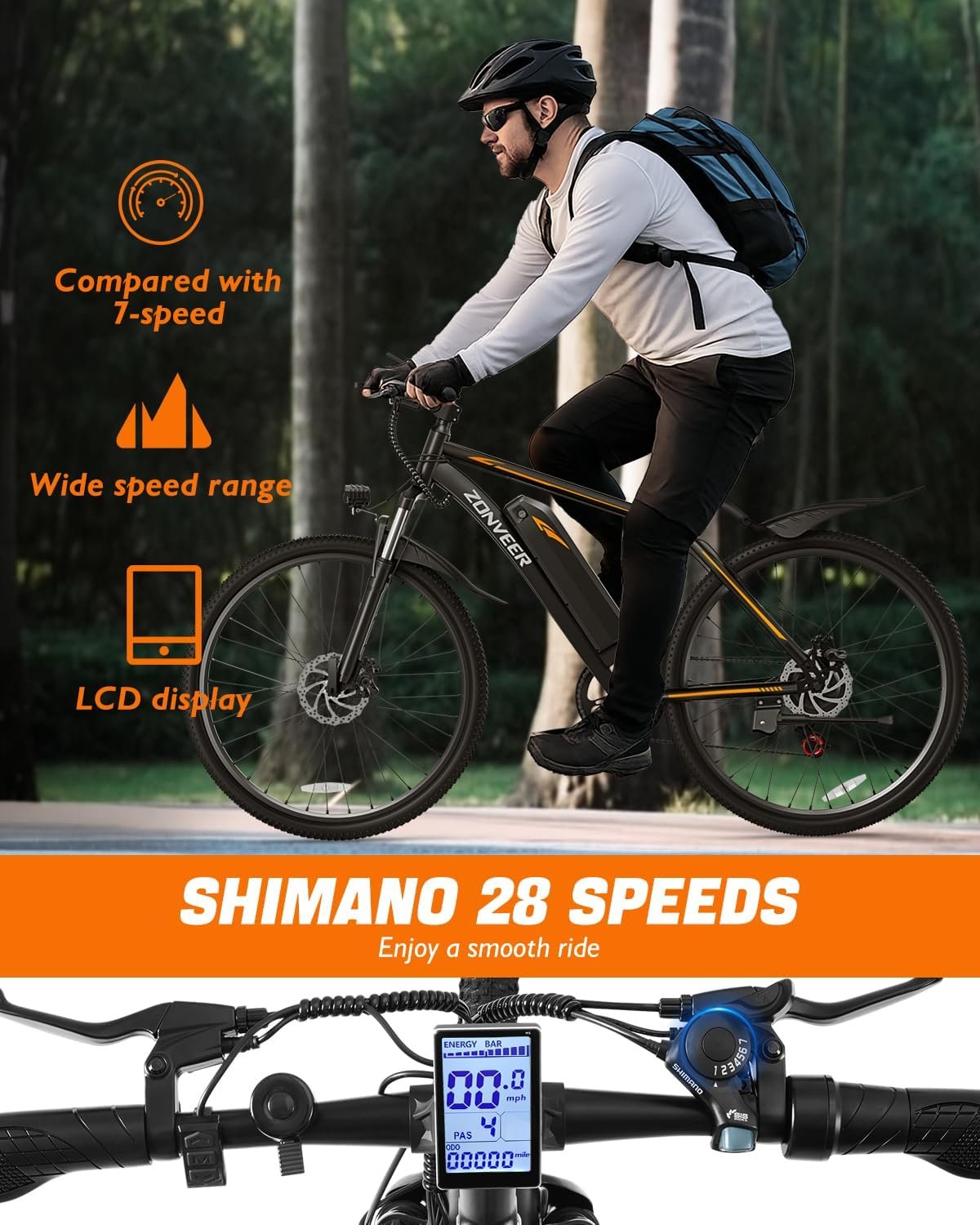
Trail testing methods
Trail performance cannot be judged by specifications alone. Real terrain reveals how an electric mountain bike behaves under stress.
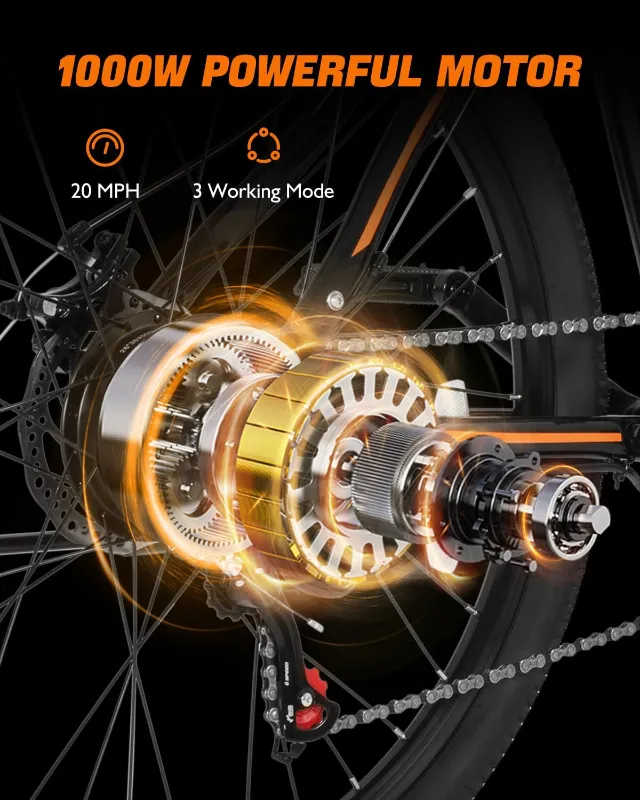
Motor torque and efficiency
Motor and battery systems define electric mountain bike performance more than any other component.
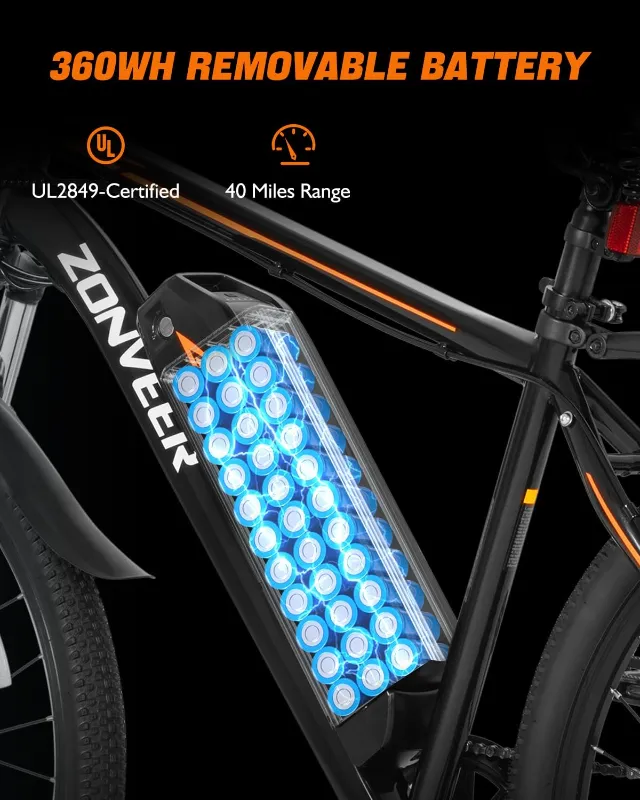
Battery range under load
Battery range under load is the most important things to take into your concern and if you are satisfied, Its okay to choose the ebike.
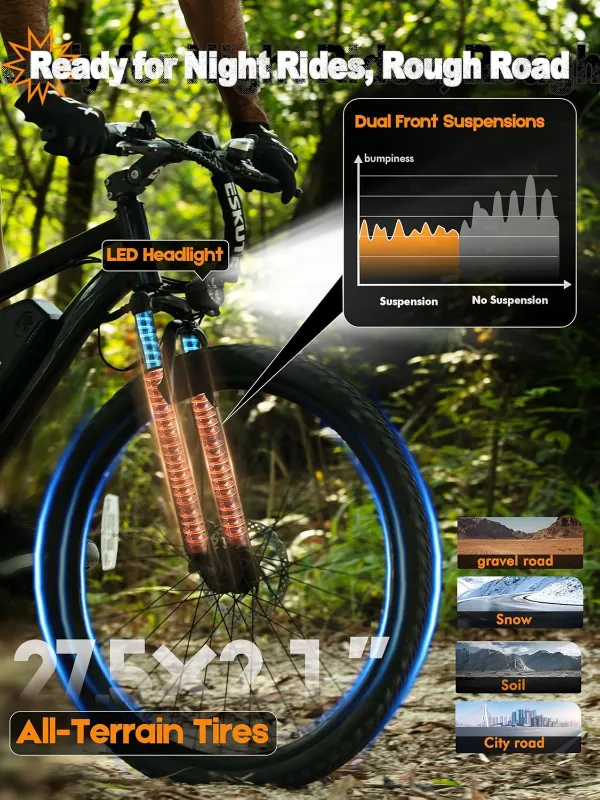
Suspension travel and geometry
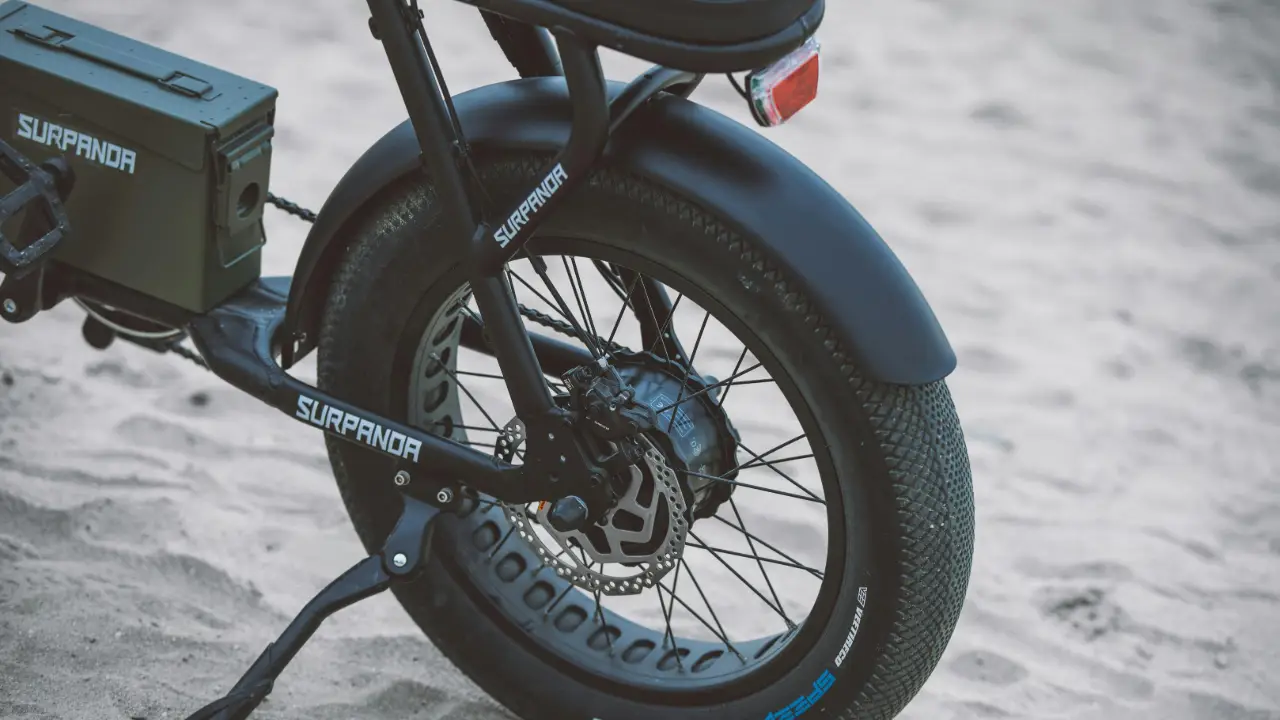
Suspension and geometry define ride feel. Without proper suspension, motor power is useless.
Value comparisons
Not all high-priced eMTBs are better. The proper value comparison can help you choose the right ebike for your next journey.
Long-term reliability
Electric mountain bikes experience more stress than traditional bikes. Long-term reliability determines true ownership cost.
Trail Testing & Real-World Performance
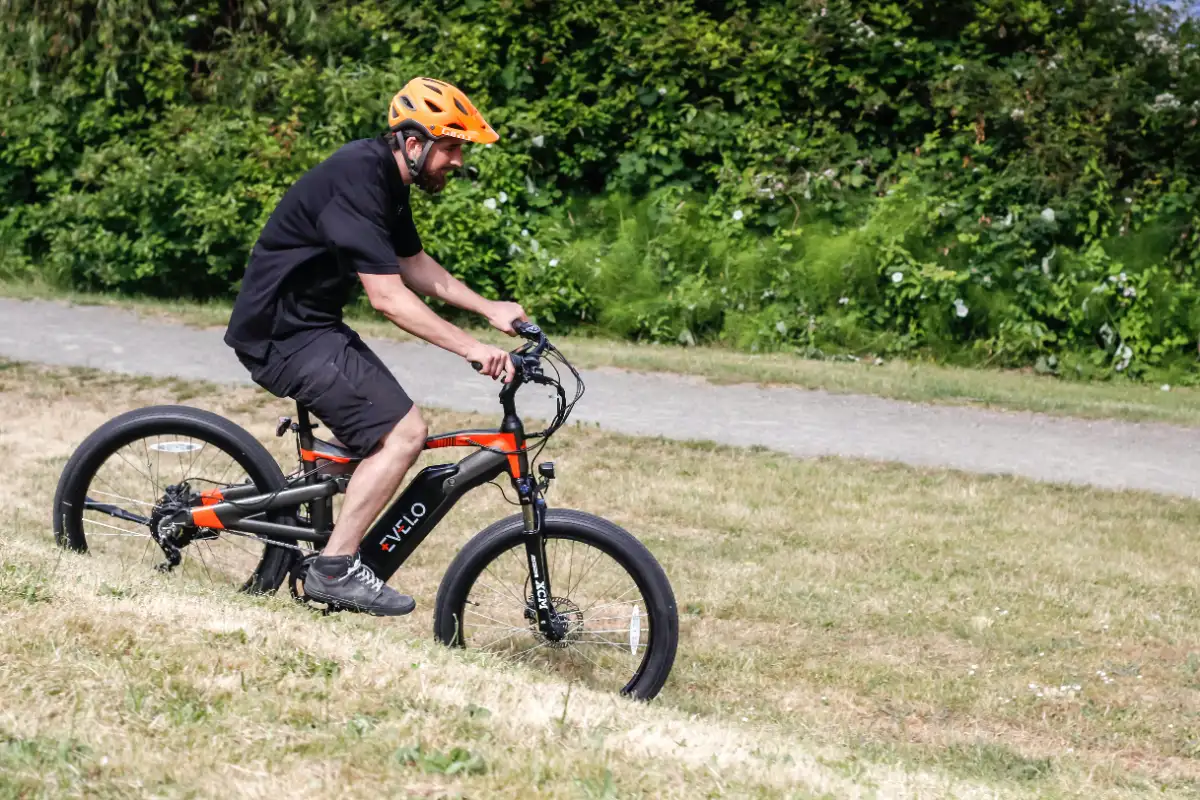
Trail testing is the most important factor in understanding how electric mountain bikes perform in real-world conditions. Specifications such as motor torque, battery capacity, or suspension travel provide useful data, but they do not tell the full story.
Real trail environments introduce unpredictable elements — loose gravel, technical climbs, wet roots, sharp switchbacks, and sudden elevation changes. These variables expose weaknesses that spec sheets hide. That is why serious riders and expert reviewers prioritize trail testing over showroom impressions.
When testing electric mountain bikes on trails, evaluators measure far more than speed. They analyze how smoothly power engages, how stable the frame feels under acceleration, and whether the bike maintains traction during steep climbs.
They observe how the suspension absorbs repeated impacts and whether geometry provides confidence at higher speeds. Riders also pay attention to fatigue levels. A bike that feels stable and balanced reduces rider strain over long trail sessions.
This real-world perspective aligns directly with high-intent search queries such as “electric mountain bikes on trails” and “best electric bike for mountain trails,” because users want practical performance insights — not marketing claims.
What Real Trail Testing Actually Measures
Professional trail testing focuses on:
- Climbing traction
- Descending control
- Cornering stability
- Power consistency
- Rider fatigue
- Motor responsiveness
Most brand pages talk about “powerful motors.” But real-world testing shows how the bike behaves when:
- The trail becomes loose and rocky
- The climb reaches 15–20% gradient
- The rider switches between assist modes
- The suspension compresses repeatedly
True trail testing evaluates ride feel, not just acceleration.
Climbing Performance on Technical Trails
Climbing is where electric mountain bikes demonstrate their biggest advantage over traditional mountain bikes. Technical climbs combine steep gradients, loose surfaces, and uneven traction zones.
In these scenarios, the motor’s torque delivery and responsiveness determine whether the rider maintains momentum or stalls mid-ascent. Mid-drive motors excel in this environment because they leverage the bike’s drivetrain, multiplying torque efficiently through the gearing system.
This results in controlled, predictable power that improves traction instead of overwhelming it.
However, torque alone does not guarantee success. Real trail climbs require controlled modulation. High-quality electric mountain bikes include torque sensors that adjust power output based on pedal pressure.
This creates a natural ride feel and prevents wheel spin on loose terrain. During long climbs exceeding 15% gradient, motor heat management becomes critical. Premium systems sustain output longer without overheating, while lower-end systems may reduce power to protect internal components.
Riders researching “Electric motor for mountain bike” or “Best eMTB for steep trails” benefit from understanding these real-world performance factors rather than just maximum torque numbers.
Climbing is where electric mountain bikes separate themselves from traditional MTBs.
Key climbing factors:
Motor Torque Under Load
Mid-drive motors use the drivetrain. That means:
- Better torque multiplication
- More efficient climbing
- Improved traction on loose terrain
Motors delivering 75–90 Nm torque perform better on steep climbs.
However, torque without traction control leads to wheel spin.
That’s why advanced eMTBs include:
- Progressive power mapping
- Torque sensors
- Trail-specific assist modes
Weight Distribution on Climbs
Electric mountain bikes weigh more than traditional bikes.
Good trail climbers distribute weight:
- Centered near bottom bracket
- Low battery placement
- Balanced front-end geometry
Poor weight balance leads to:
- Front wheel lift
- Reduced steering precision
- Rider fatigue
Trail testing exposes these weaknesses immediately.
Motor & Battery Performance Explained
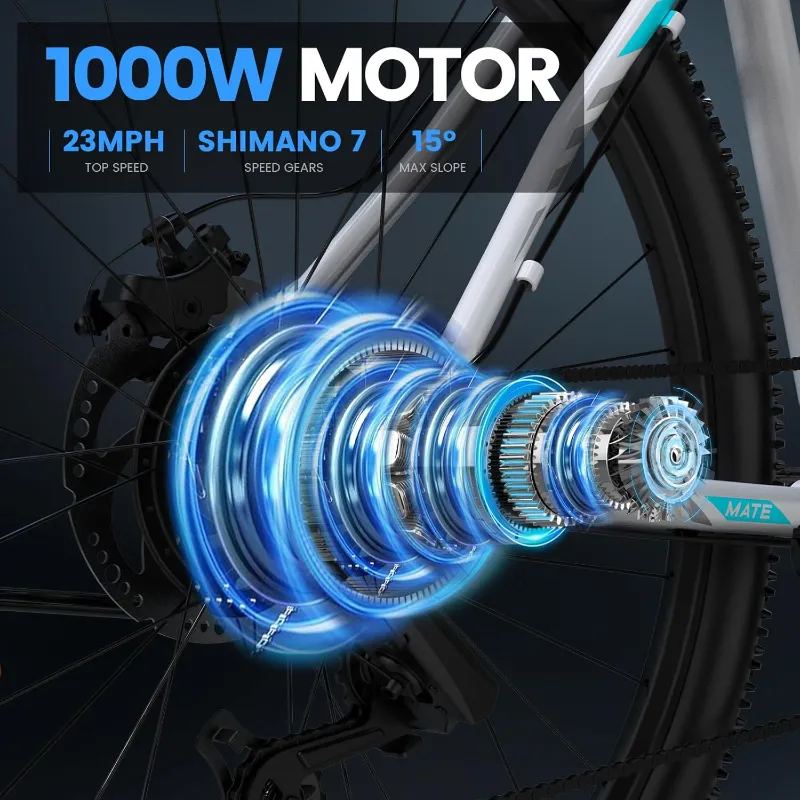
The motor and battery system form the core of every electric mountain bike. Together, they determine power delivery, riding range, and long-term efficiency. While many manufacturers advertise wattage figures, experienced riders focus on torque output and responsiveness.
Torque, measured in Newton-meters (Nm), directly impacts climbing ability. Higher torque enables smoother ascents on steep trails, especially when combined with intelligent assist modes.
Battery performance is equally critical. Capacity is measured in watt-hours (Wh), but real-world range depends on terrain, rider weight, assist level, and environmental conditions. Aggressive trail riding drains battery faster than flat terrain commuting.
Riders searching “electric mountain bike battery range” or “how far can an electric mountain bike go” need realistic expectations. A 750Wh battery may deliver 40–60 miles under mixed conditions but less on steep climbs with high assist levels.
Search cluster we discovered:
- Electric motor for mountain bike
- Mountain bike electric motor
- Dual motor electric mountain bike
- Electric mountain bike battery range
- Electric motor for mountain bike
Let’s break it down properly.
Below is a real-world electric mountain bike performance comparison based on torque, battery capacity, and trail efficiency.
| Feature | Entry-Level eMTB | Mid-Range eMTB | High-End eMTB |
|---|---|---|---|
| Torque (Nm) | 40–60 | 70–85 | 85–95 |
| Battery (Wh) | 400–500 | 625 | 750+ |
| Suspension Travel | 120mm | 140–150mm | 160–180mm |
| Range (Trail Avg) | 20–30 miles | 30–45 miles | 40–60 miles |
| Ideal Terrain | Light trails | Mixed terrain | Aggressive technical |
Mid-Drive vs Hub Motors
Mid-drive motors are widely considered superior for serious trail riding. Positioned at the crankset, they distribute weight centrally and leverage the bike’s gears to multiply torque.
This creates efficient power delivery and improved climbing control. Because power flows through the drivetrain, mid-drive systems adapt naturally to terrain changes, making them ideal for technical trails.
Hub motors, typically mounted in the rear wheel, are more common in entry-level electric bikes. While simpler and often less expensive, they lack the torque efficiency of mid-drive systems.
On steep or uneven terrain, hub motors may struggle to maintain traction or consistent power. For riders focused on trail performance, mid-drive motors offer better balance, responsiveness, and durability.
This distinction addresses search queries like “mountain bike electric motor comparison” and clarifies why serious eMTBs favor mid-drive systems.
Mid-Drive Motors
Best for serious trail riding because:
- Use drivetrain gearing
- Deliver better torque
- Improve climbing efficiency
- Maintain balanced weight
Most performance eMTBs use:
- Bosch Performance Line CX
- Shimano EP series
- Specialized Brose motors
Hub Motors
Usually found in budget models.
Pros:
- Lower cost
- Simple design
Cons:
- Reduced climbing torque
- Less natural pedal feel
- Poor performance on steep trails
Torque, Wattage & Trail Reality
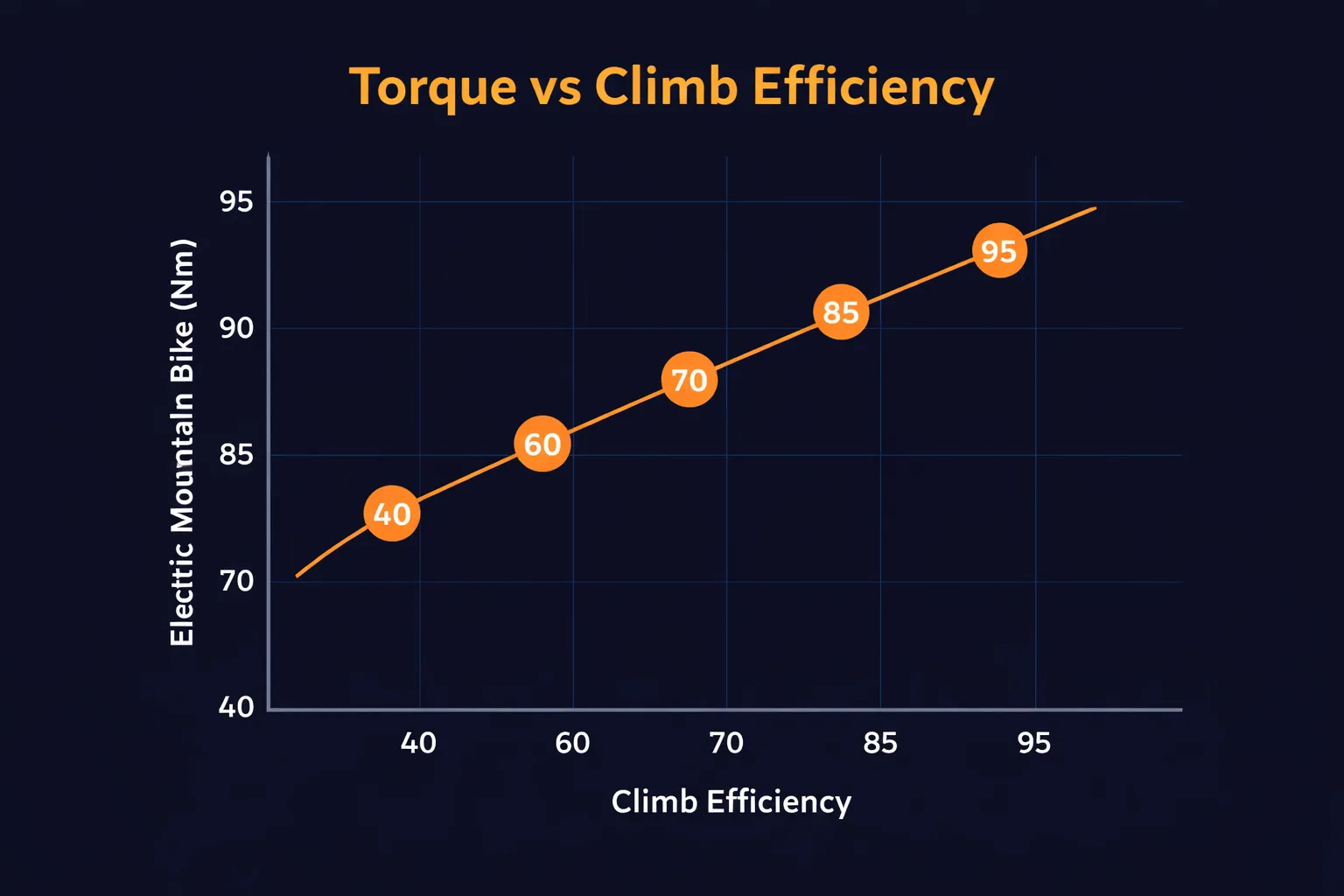
Torque (Nm) matters more than wattage.
- 85 Nm torque = excellent climbing
- 60 Nm torque = moderate climbing
- Under 50 Nm = entry-level
But torque must be controlled.
Advanced systems include:
- Dynamic assist adjustment
- Cadence sensing
- Load detection
This is where premium bikes outperform cheaper models.
Battery Capacity & Real-World Range
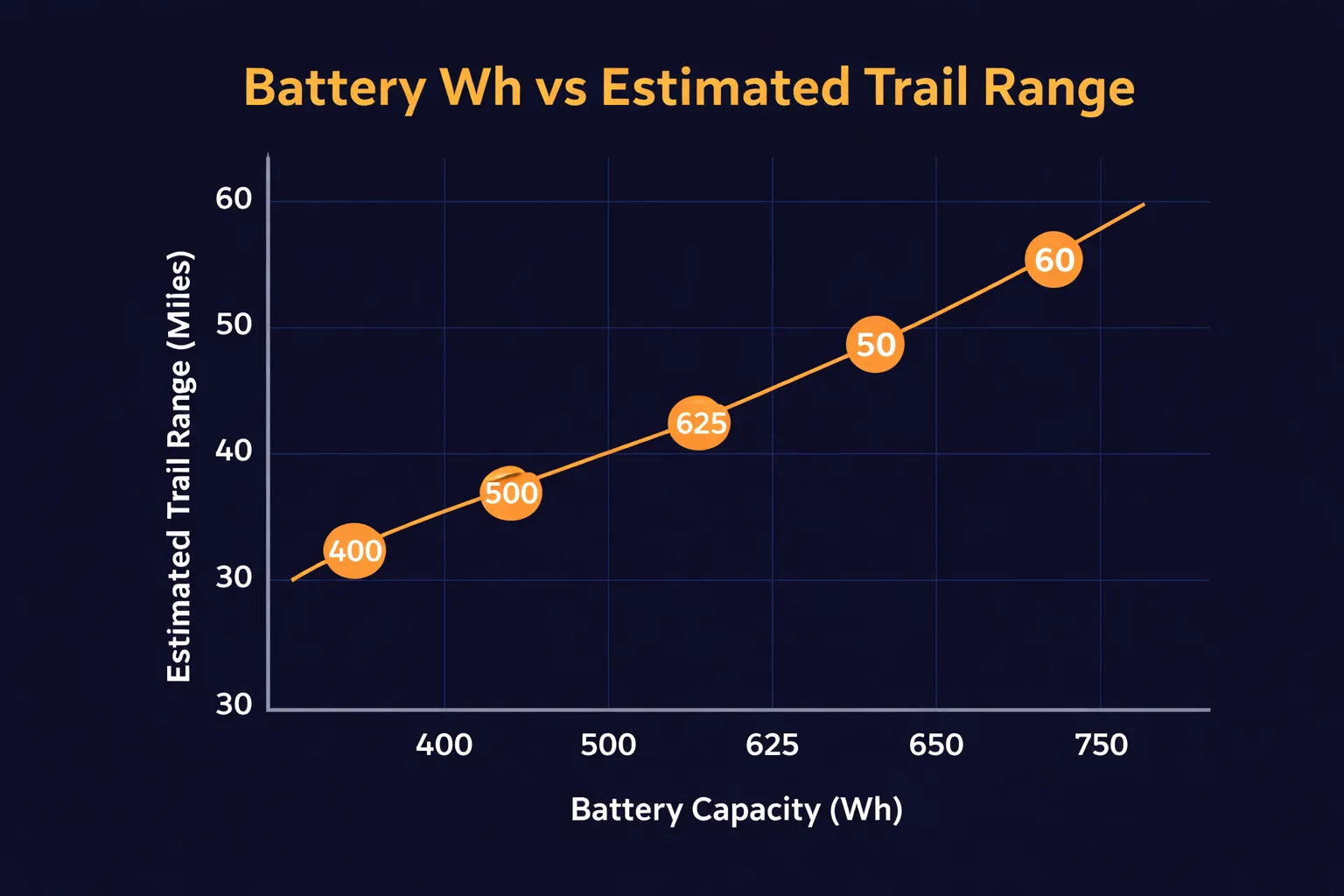
Battery size measured in Wh.
Typical eMTB battery sizes:
- 500 Wh
- 625 Wh
- 750 Wh
Range depends on:
- Rider weight
- Terrain elevation
- Assist mode
- Tire pressure
- Wind resistance
Aggressive riding can reduce range by 30–40%.
Real-world trail range usually equals:
- 20–50 miles depending on terrain
Heat Management & Efficiency
Battery efficiency depends not only on size but also on management systems. Advanced battery management systems regulate charge cycles, prevent overheating, and optimize discharge rates. Heat buildup during sustained climbs can reduce performance if not properly managed.
Premium electric mountain bikes include cooling systems and firmware controls that maintain consistent output.
Long-term battery health depends on charging habits. Avoiding full depletion and storing batteries at moderate charge levels can significantly extend lifespan.
Riders researching “electric mountain bike battery life” or “emtb battery maintenance” benefit from understanding how to maximize performance over time. Efficient battery management ensures reliable power delivery and reduces replacement costs in the long run.
Long climbs create heat.
High-quality motors:
- Manage heat better
- Sustain torque longer
- Prevent power drop-off
Cheap motors often throttle performance under sustained load.
That is rarely discussed in brand marketing — but crucial for trail riders.
Suspension & Geometry for Trail Control
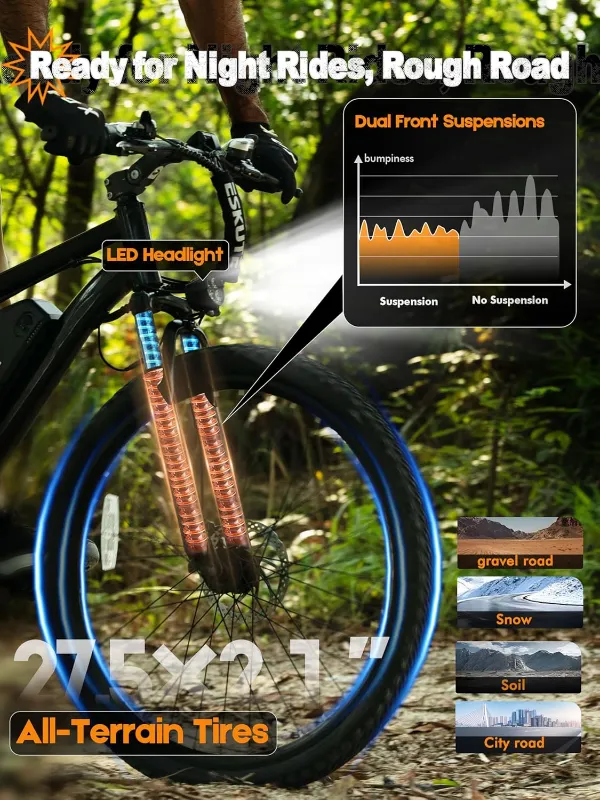
Suspension and geometry define how an electric mountain bike feels on the trail. Even the most powerful motor cannot compensate for poor frame design.
Suspension absorbs impacts, maintains traction, and enhances comfort during long rides. Geometry determines stability, agility, and rider posture.
Trail-focused eMTBs typically feature full suspension with travel ranging from 140mm to 170mm. This allows riders to tackle aggressive terrain without sacrificing climbing efficiency.
Riders searching “electric mountain bike suspension explained” want to know how suspension affects performance, not just travel numbers.
Suspension and geometry define ride feel. Without proper suspension, motor power is useless.
Suspension Travel Explained
Travel categories:
- 120–140mm = light trail
- 150–170mm = aggressive trail / enduro
- 180mm+ = downhill focused
More travel = better absorption.
But too much travel:
- Reduces pedaling efficiency
- Increases weight
Rear Suspension Linkage Design
Suspension travel affects how well a bike handles rough terrain. Longer travel improves impact absorption but may add weight. Advanced linkage systems reduce pedal bob and improve climbing efficiency.
Designs such as four-bar or Horst link systems balance responsiveness with stability.
In real-world trail conditions, suspension tuning makes a significant difference. Proper sag settings and rebound adjustments optimize traction and comfort.
Riders benefit from understanding how suspension works in combination with motor assistance to create a smooth yet powerful ride experience.
Common systems:
- Single pivot
- Horst link
- VPP
- Four-bar
Advanced designs reduce:
- Pedal bob
- Brake squat
- Energy loss
This improves climbing efficiency.
Geometry Breakdown
Important geometry numbers:
- Reach
- Stack
- Wheelbase
- Chainstay length
- Head angle
Longer wheelbase = stability
Shorter chainstay = agility
Trail-focused eMTBs balance both.
Rider Position & Fatigue
Frame geometry influences handling precision and fatigue levels. A longer reach improves stability at speed, while shorter chainstays enhance agility. Bottom bracket height affects cornering balance and pedal clearance.
Rider position also matters. Electric mountain bikes enable longer rides due to motor assistance, making ergonomic design crucial. Proper geometry reduces strain on the back, shoulders, and wrists. This contributes to endurance and overall ride satisfaction.
Electric mountain bikes allow longer rides.
Poor geometry increases:
- Lower back strain
- Arm fatigue
- Hand numbness
Well-designed frames in our “Best mountain ebike” post can improve endurance.
Value & Comparison Analysis
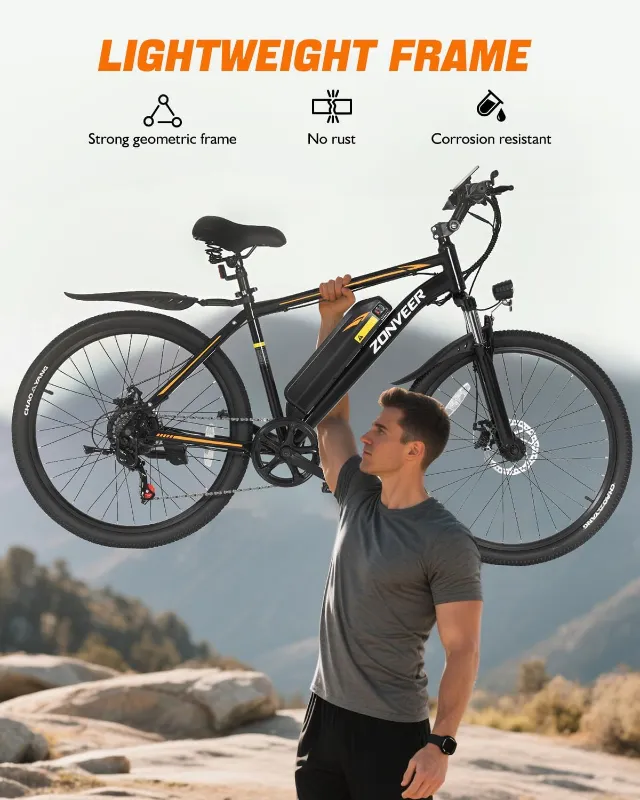
Value analysis compares performance relative to price. High-end electric mountain bikes often include premium components and carbon frames, but mid-range models may offer better overall value for most riders.
When comparing eMTBs, riders should examine motor torque, battery capacity, suspension quality, and braking systems. Search terms like “best electric mountain bike for trails” reflect buyers seeking balanced performance rather than flashy specifications.
Not all high-priced eMTBs are better.
Entry-Level vs Mid-Range vs High-End
Entry-level models prioritize affordability but may compromise torque and suspension quality. Mid-range bikes often strike the best balance between price and performance. High-end models offer premium materials and advanced tuning.
Understanding these tiers helps buyers match budget with trail needs. Mid-range electric mountain bikes frequently deliver sufficient torque and battery capacity for most trail scenarios.
Entry-Level ($1500–$3000)
- Basic suspension
- Lower torque motors
- Smaller batteries
Mid-Range ($3000–$5000)
- Better motor efficiency
- Improved suspension
- Larger battery
High-End ($6000+)
- Premium suspension
- Carbon frames
- Advanced motor tuning
Mid-range often delivers best value.
Component Quality Comparison
Brakes, drivetrain, and tire quality affect reliability and performance. Hydraulic disc brakes provide better stopping power on steep descents. Durable drivetrains withstand high torque loads.
Long-term value includes maintenance costs and component lifespan. Investing in reliable components reduces long-term ownership expenses.
Important components:
- Brakes (hydraulic vs mechanical)
- Drivetrain (Shimano Deore vs XT)
- Tire compound
- Dropper posts
Value depends on component balance — not just motor size.
Performance Per Dollar
Smart buyers compare:
- Torque per dollar
- Wh per dollar
- Suspension travel per dollar
You can get more information about emtb comparison on our “Side-by-side eMTB comparison guide”post.
Long-Term Reliability & Maintenance
Long-term reliability determines whether an electric mountain bike remains trail-ready after years of use. Motor durability, battery lifespan, and suspension servicing all contribute to ownership satisfaction.
Electric mountain bikes endure heavy stress from torque loads and rugged terrain. Riders searching “are electric mountain bikes worth it” often worry about long-term durability.
Electric mountain bikes experience more stress than traditional bikes. Long-term reliability determines true ownership cost.
Motor Durability Over Time
Premium motors are engineered for sustained output and efficient cooling. Regular firmware updates enhance efficiency and longevity. Batteries typically last 500–1000 charge cycles with proper care.
Avoiding extreme heat and deep discharges helps extend battery health. Responsible charging habits improve long-term reliability.
Common issues after heavy use:
- Overheating
- Bearing wear
- Firmware glitches
Premium motors last longer under sustained climbing loads.
Battery Degradation
Lithium-ion batteries degrade over cycles.
Average lifespan:
- 500–1000 charge cycles
Best practices:
- Avoid 0% discharge
- Store at 40–60% when idle
- Avoid extreme heat
Suspension Service Intervals
Forks and shocks need servicing every:
- 50 hours (minor service)
- 100–200 hours (major service)
Neglect reduces performance.
Cost of Ownership
Routine maintenance includes brake pad replacement, drivetrain servicing, and suspension tuning. Suspension should be serviced regularly to maintain performance.
Understanding maintenance costs allows riders to budget effectively. Reliable brands with strong support networks provide easier access to parts and service.
Long-term costs include:
- Brake pads
- Tires
- Chain replacement
- Suspension rebuilds
- Battery replacement (years later)
Frequently Asked Questions About Electric Mountain Bike Performance
How do electric mountain bikes perform on steep trails?
Electric mountain bikes perform exceptionally well on steep trails when equipped with a mid-drive motor and sufficient torque. Most high-performance eMTBs deliver between 75–90 Nm of torque, which allows riders to maintain steady momentum on gradients exceeding 15–20%.
The motor works in combination with the bike’s drivetrain, multiplying power through the gears to improve climbing efficiency.
However, performance depends on more than torque numbers. Traction control, tire grip, rider positioning, and suspension balance all influence uphill capability. Advanced torque sensors ensure smooth power engagement to prevent wheel spin on loose surfaces.
Compared to traditional mountain bikes, electric models reduce rider fatigue and allow sustained climbing over longer distances. For riders exploring aggressive terrain, a properly configured electric mountain bike can significantly improve climbing confidence and control.
Are electric mountain bikes allowed on mountain bike trails?
In most regions of the United States, Class 1 electric mountain bikes are allowed on non-motorized mountain bike trails. Class 1 eMTBs provide pedal assist only (no throttle) and are typically limited to 20 mph. These bikes are widely accepted because they resemble traditional mountain bikes in operation.
However, trail access rules vary by state, park system, and local land management policies. Some natural reserves and wilderness areas restrict all motorized vehicles, including eMTBs. Riders should always check local regulations before riding.
As electric mountain bikes become more common, many trail systems are updating policies to accommodate them. Understanding trail classification ensures compliance and helps preserve access for future riders.
How far can an electric mountain bike go on one charge?
The average electric mountain bike can travel between 20 to 60 miles on a single charge, depending on battery capacity, terrain, rider weight, and assist level. Bikes equipped with 500Wh batteries typically deliver moderate range for mixed terrain riding, while 625Wh–750Wh batteries provide extended trail coverage.
Steep climbs, high assist modes, aggressive riding, and cold temperatures can significantly reduce battery range. Riders who use eco or trail modes instead of turbo mode will extend ride distance considerably.
Real-world testing shows that elevation gain plays a major role in battery consumption. For long trail adventures, riders often plan routes based on elevation profile rather than mileage alone. Understanding battery management is key to maximizing range and avoiding mid-ride depletion.
What is the best motor for an electric mountain bike?
The best motor for an electric mountain bike is typically a mid-drive motor from established brands such as Bosch, Shimano, Specialized (Brose), or Yamaha. Mid-drive systems offer better weight distribution, higher torque efficiency, and smoother pedal assist compared to hub motors.
Top-performing motors usually provide 75–90 Nm of torque, which is ideal for steep and technical trails. They also feature intelligent assist modes that adjust power delivery based on terrain and rider input.
Heat management and firmware optimization further enhance performance under sustained load. While hub motors are more affordable, serious trail riders generally prefer mid-drive systems for their balance, responsiveness, and durability.
Are electric mountain bikes worth the investment?
Electric mountain bikes are worth the investment for riders who want extended range, improved climbing ability, and reduced fatigue on challenging terrain. While initial costs are higher than traditional mountain bikes, the benefits include longer rides, access to more difficult trails, and greater versatility.
For many riders, an eMTB allows them to ride more frequently and cover greater distances. This improves fitness consistency and enjoyment. Additionally, mid-range models now offer strong performance at competitive prices, making electric mountain biking more accessible.
Long-term ownership costs should be considered, including maintenance and battery lifespan, but for serious trail enthusiasts, the performance advantages often justify the investment.
How long do electric mountain bike batteries last?
Electric mountain bike batteries typically last between 500 to 1,000 full charge cycles. For most riders, this equates to several years of regular trail riding before noticeable capacity reduction occurs. Battery lifespan depends heavily on usage habits, charging practices, and environmental conditions.
To extend battery life, riders should avoid regularly draining the battery to 0%, store it at moderate charge levels when not in use, and keep it away from extreme heat or cold.
Modern battery management systems help regulate temperature and optimize discharge rates. Over time, batteries may lose some capacity, but proper care can significantly slow degradation and preserve performance.
What maintenance does an electric mountain bike require?
Electric mountain bikes require similar maintenance to traditional mountain bikes, with additional attention to the motor and battery system. Routine maintenance includes brake pad replacement, drivetrain cleaning, tire inspections, and suspension servicing.
Because eMTBs generate higher torque, chains and cassettes may wear faster than on non-electric bikes. Suspension components should be serviced every 50–100 hours of riding to maintain optimal performance.
Motor systems generally require minimal maintenance but may need firmware updates through authorized dealers. Proper upkeep ensures reliable performance and extends the lifespan of key components.
Do electric mountain bikes handle differently than regular mountain bikes?
Yes, electric mountain bikes handle differently due to their added weight and motor assistance. However, modern frame geometry and integrated battery placement help maintain balance and stability. The additional weight is often centralized, improving traction on climbs and stability on descents.
On technical terrain, the motor assist can help riders maintain momentum through obstacles. However, riders must adjust braking technique due to increased overall mass.
With practice, most riders adapt quickly and appreciate the enhanced climbing efficiency and downhill stability provided by the eMTB platform.
What is the difference between Class 1, Class 2, and Class 3 electric mountain bikes?
Electric mountain bikes are classified based on assist type and speed limits:
- Class 1: Pedal assist only, up to 20 mph (most trail-legal).
- Class 2: Pedal assist + throttle, up to 20 mph.
- Class 3: Pedal assist only, up to 28 mph (often restricted from trails).
Class 1 bikes are most widely accepted on mountain bike trails because they require pedaling and do not exceed moderate speeds.
Riders interested in trail access should prioritize Class 1 systems to ensure compatibility with local regulations.
Understanding these classifications prevents access issues and supports responsible riding practices.